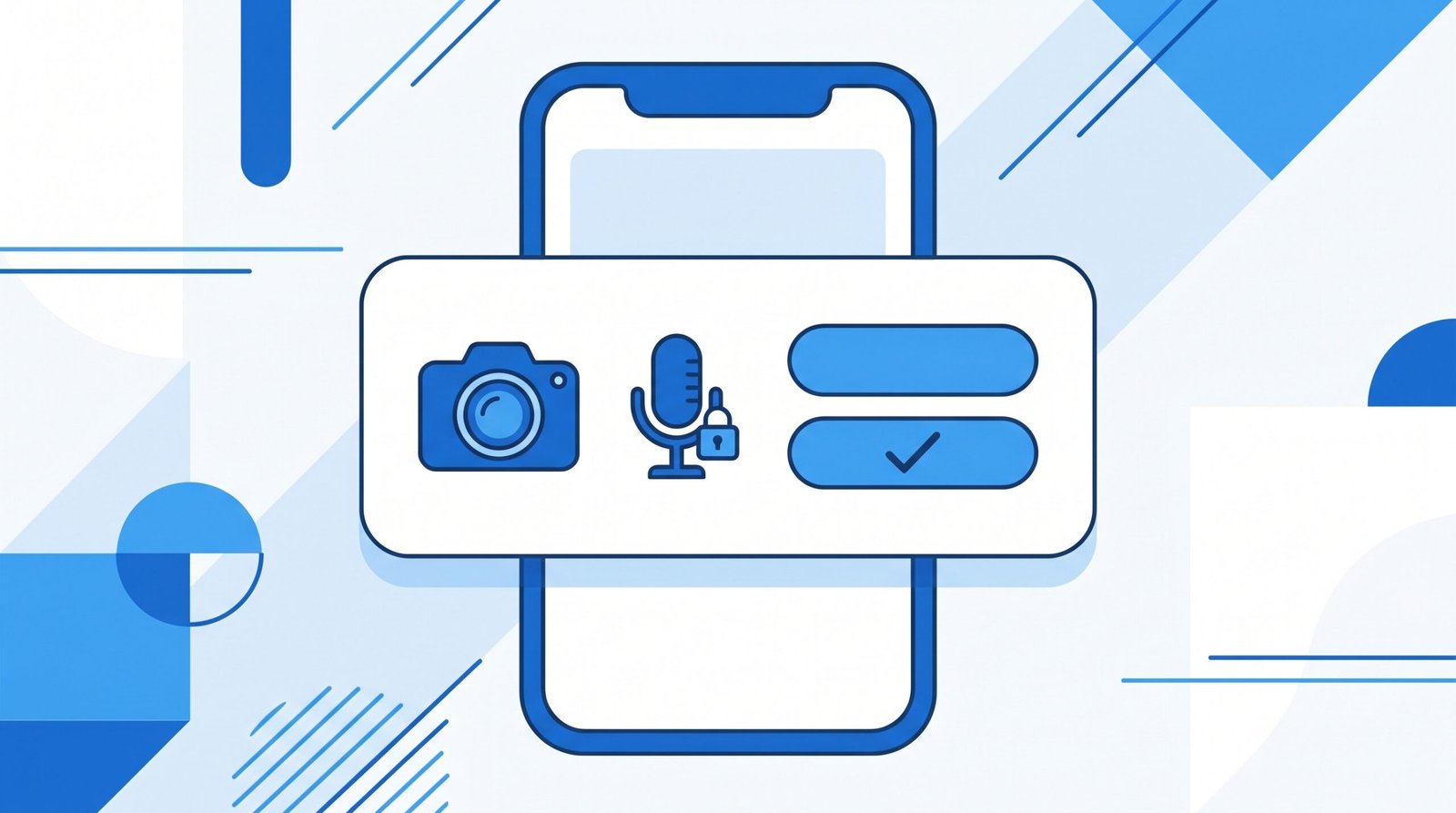
You download OmeTV, open it for the first time, and immediately get hit with a series of permission requests. Camera access. Microphone access. Sometimes notifications or storage too. For a lot of people this raises an immediate question — is this normal, or is this app asking for more than it actually needs?
It is a completely fair question to ask before using any app, especially one built around live video with strangers. This guide breaks down exactly what each permission is for, why OmeTV genuinely needs it, and what to watch out for.
Why Permission Requests Exist in the First Place
Every modern smartphone operating system — Android and iOS both — requires apps to explicitly ask for permission before accessing sensitive features like your camera, microphone, or location. This is a security feature built into the phone itself, not something specific to OmeTV.
The point of this system is to give you control. An app cannot silently access your camera or microphone in the background. It has to ask, you have to approve, and you can revoke that permission at any time afterward in your phone settings.
So the fact that OmeTV asks for permissions is not unusual or suspicious on its own. What matters is whether the specific permissions it asks for make sense for what the app actually does.
Camera Permission — Why OmeTV Needs This
This one is obvious once you think about it. OmeTV is a video chat app. The entire function of the platform is showing your live video feed to strangers. Without camera access the app simply cannot work at all.
This permission is essential and expected. Any video chat app — OmeTV, Zoom, Skype, FaceTime, anything in this category — needs camera access to function. There is nothing unusual about OmeTV requesting it.
Microphone Permission — Why OmeTV Needs This
Just like the camera, the microphone is core to what OmeTV does. Random video chat is not just visual — you need audio to actually have a conversation. Without microphone access you could see the other person but they would never hear you, which defeats the entire purpose of the platform.
This permission is also essential and expected for the app to function as intended.
Notification Permission — What This Is For
OmeTV may ask for notification permission to send you alerts — for example, letting you know about new features, app updates, or reminders to come back and use the app. This permission is optional in the sense that the app will still function fully without it, but turning it on lets OmeTV communicate with you outside the app itself.
If you do not want notifications you can decline this one or turn it off later in your phone settings without affecting your ability to use the core chat features.
Storage Permission — What This Is For
Some versions of OmeTV may request storage access, typically to allow you to save photos, upload a profile picture, or download something from within the app. This is a fairly standard permission for many apps that involve any kind of media handling.
If you are not planning to upload or save anything through the app you can generally decline this without losing access to the main chat functionality.
Location Permission — Should You Allow This
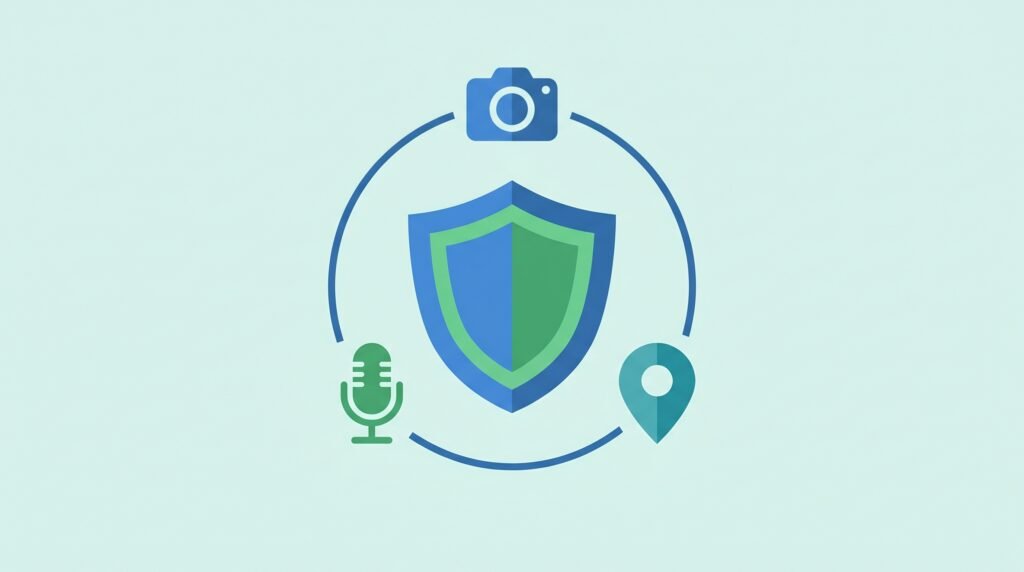
This is one worth thinking about more carefully. Some versions of OmeTV may request location access, often used to help with country-based matching or to show you relevant regional content.
You do not have to grant this permission for the app to work. The country filter inside OmeTV can typically be set manually without needing your actual GPS location. If privacy is a concern for you, declining location access and manually selecting your preferred country filter is a reasonable approach.
For more on managing your privacy on the platform check our OmeTV Without VPN guide, which also touches on location-related privacy considerations.Is It Safe to Grant OmeTV These Permissions?
Granting camera and microphone access to OmeTV is safe in the sense that this is exactly what the app is designed to use these permissions for — live video chat. The app does not have a legitimate reason to access your camera or microphone without you actively starting a chat session.
That said, “safe” here means the permission request itself is reasonable and expected. It does not mean every interaction you have once you are using the app is automatically safe. The permissions are about what the app technically can access. Your actual safety during conversations comes down to how you use the platform — what you share, who you talk to, and how you handle uncomfortable situations.
For a full breakdown of staying safe once you are actually chatting check our OmeTV Safety Tips guide.
How to Check and Manage OmeTV’s Permissions
On iPhone
Go to Settings, scroll down and find OmeTV in your list of apps, and tap on it. You will see a list of permissions — Camera, Microphone, Notifications, and others depending on your version. You can toggle each one on or off individually at any time.
On Android
Go to Settings, then Apps, find OmeTV, and tap Permissions. You will see a similar list where you can grant or revoke access to specific features whenever you want.
Revoking camera or microphone access will prevent the core video chat feature from working, since those are essential to the app. Revoking optional permissions like notifications or location will not affect your ability to use the main chat features at all.
Signs an App’s Permission Requests Are NOT Normal
It is worth knowing what would actually be a red flag, so you can tell the difference between normal and excessive permission requests in general.
A video chat app requesting access to your contacts list without a clear reason. A request for SMS or call log access, which has nothing to do with video chatting. Persistent background location tracking even when the app is closed. Requests for access to other apps’ data or system-level controls that have no connection to video chat functionality.
OmeTV’s core permissions — camera and microphone — make complete sense given what the app does. If you ever notice a request that seems disconnected from video chat functionality specifically, that would be worth looking into more closely, but the standard camera and microphone requests are exactly what you would expect from any legitimate video chat platform.
What Happens If You Deny Camera or Microphone Permission
If you deny camera or microphone access OmeTV will typically prompt you again when you try to start a chat, since the app cannot function without these two permissions specifically. You will need to grant at least these two for the core feature of the app to work at all.
This is not unique to OmeTV — any video calling app behaves this way because camera and microphone access are not optional extras, they are the actual product.
Quick Summary — Which Permissions to Grant
- ✅ Camera — Required, grant this for the app to work
- ✅ Microphone — Required, grant this for the app to work
- ⚠️ Notifications — Optional, grant based on personal preference
- ⚠️ Storage — Optional, grant only if you plan to upload or save media
- ⚠️ Location — Optional, you can usually set your country filter manually instead

Frequently Asked Questions
Is it safe to give OmeTV camera and microphone access?
Yes this is expected and necessary for the app to function as a video chat platform. These are the exact permissions any legitimate video calling app needs. The key to staying safe is being thoughtful about what you do and share during actual conversations, not the permission request itself.
Does OmeTV need my location to work?
No location access is generally optional. You can typically set your country filter manually inside the app without granting GPS location access. If privacy is a concern this is a reasonable permission to decline.
Can I use OmeTV without granting microphone access?
No the core video chat feature requires both camera and microphone access since the platform is built around live two-way video and audio conversation. Declining this permission will prevent you from starting chats.
Can I change OmeTV’s permissions after I have already granted them?
Yes you can go into your phone’s Settings, find OmeTV under your list of apps, and adjust each permission individually at any time. Revoking camera or microphone access will stop the core chat feature from working until you grant it again.
Why does OmeTV ask for notification permission?
This is typically used to send you updates about new features, app news, or reminders. It is optional and declining it will not affect your ability to use the core video chat features at all.
Should I be worried about an app asking for permissions before I open it?
Not inherently. Modern phones require apps to explicitly request permission before accessing sensitive features like the camera or microphone. This is a security feature designed to protect you, not something specific or suspicious about OmeTV. What matters is whether the requested permissions make sense for what the app actually does — and for OmeTV, camera and microphone access make complete sense.
Is OmeTV trustworthy with the permissions it has access to?
OmeTV’s core permission requests align directly with its stated purpose as a video chat platform. As with any app, it is good practice to periodically review permissions in your phone settings and only keep granted what you are comfortable with, while understanding that camera and microphone access are required for the app’s basic function.